

The Role of Fund Control in Sustainable Building Projects
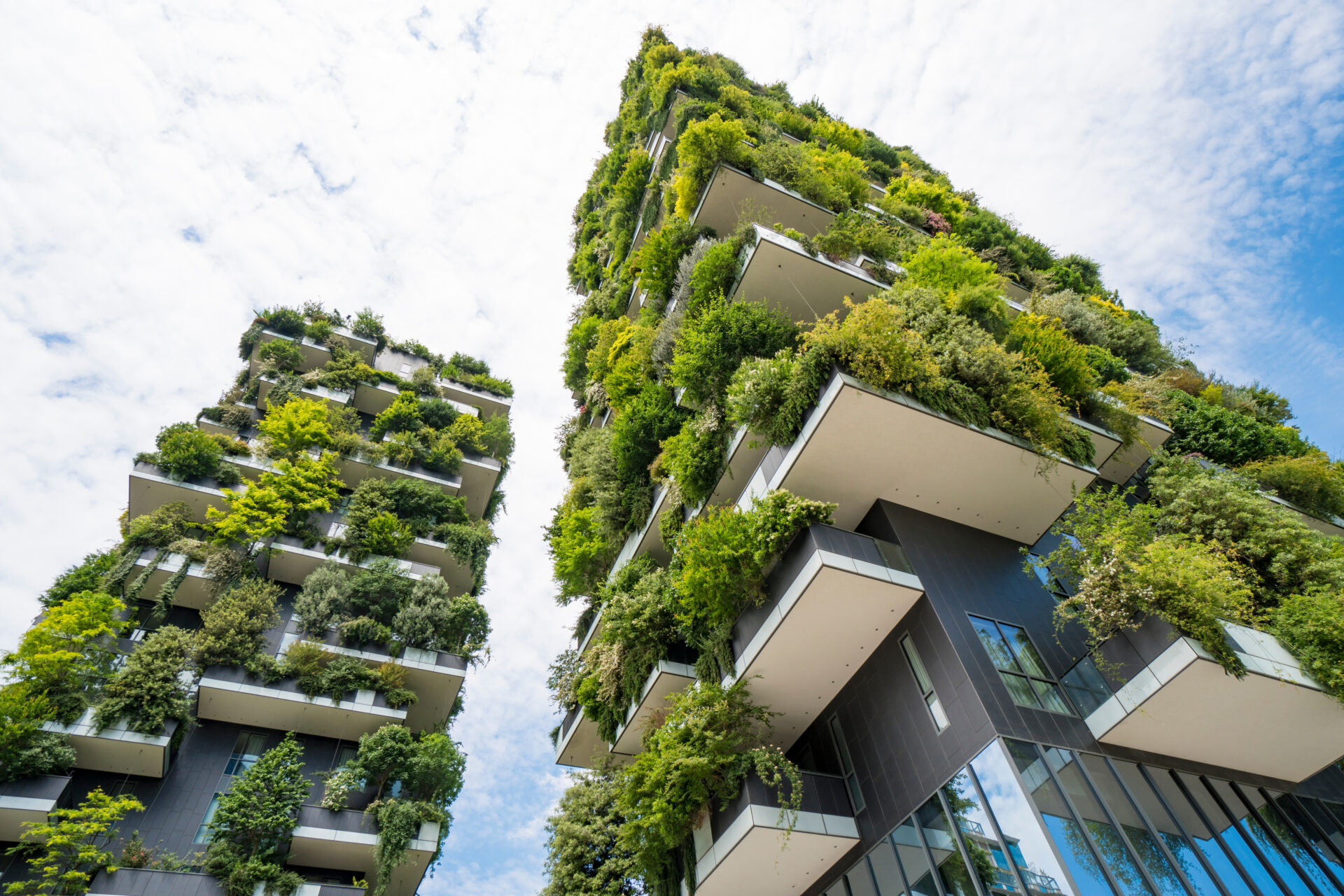 Sustainable construction is rapidly gaining momentum as developers, lenders, and stakeholders seek to reduce environmental impact while enhancing energy efficiency and long-term project viability. However, financing green building projects presents unique challenges, including higher upfront costs, regulatory compliance, and ensuring that funds are allocated appropriately to meet sustainability goals.
Fund control services play a critical role in mitigating these challenges by ensuring financial transparency, efficient fund disbursement, and compliance with sustainable construction standards. In this article, we will explore how fund control services support sustainable building projects and what lenders should consider when financing green developments.
How Fund Control Supports Sustainable Construction
1. Ensuring Proper Allocation of Funds for Sustainable Materials and Technologies
Sustainable construction often requires specialized materials, energy-efficient systems, and environmentally friendly technologies that may have higher initial costs. Fund control services help:

- Track and verify expenditures on sustainable building materials such as recycled steel, low-VOC paints, and energy-efficient HVAC systems.
- Prevent misuse of funds by ensuring disbursements are strictly allocated for green-certified components and technology.
2. Enhancing Budget Oversight and Risk Management
Budget overruns and financial mismanagement can derail sustainable projects before completion. Effective fund control services mitigate these risks by:

- Providing lenders with detailed financial reports on project spending, ensuring that budgets align with sustainability objectives.
- Releasing funds in phases based on verified project milestones, preventing cost overruns and ensuring compliance with environmental goals.
3. Facilitating Compliance with Green Building Certifications
Many sustainable building projects aim for certifications such as LEED (Leadership in Energy and Environmental Design) or Energy Star. Fund control services help by:

- Verifying that construction phases align with the necessary standards and sustainability benchmarks.
- Coordinating with inspectors and auditors to ensure compliance with energy efficiency and environmental impact regulations.
4. Reducing Financial Risks for Lenders in Green Building Investments
While sustainable buildings offer long-term financial benefits such as energy savings and higher property values, lenders often perceive them as high-risk due to their initial costs. Fund control mitigates this risk by:

- Providing lenders with assurance that funds are managed responsibly and allocated for their intended green purposes.
- Monitoring progress and ensuring that contractors adhere to sustainability plans and commitments.
5. Supporting Renewable Energy and Water Conservation Initiatives
Sustainable construction often incorporates renewable energy sources such as solar panels and water conservation features like rainwater harvesting systems. Fund control services ensure that:
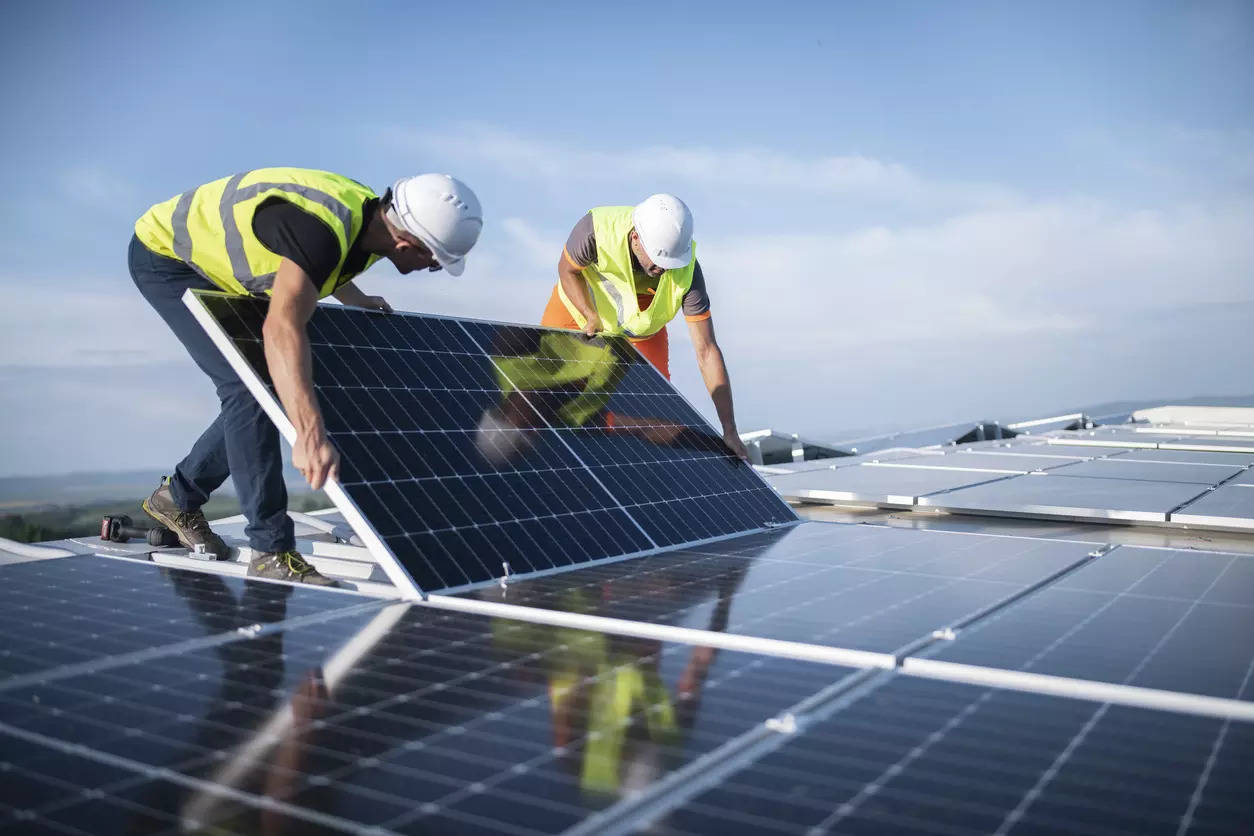
- Disbursed funds support the integration of renewable energy systems and water-efficient infrastructure.
- Ongoing financial tracking helps projects stay within budget while meeting energy and water conservation targets.
Key Considerations for Lenders Financing Green Building Projects
1. Understanding the Long-Term Financial Benefits
While green buildings may have higher initial costs, they often yield long-term savings through energy efficiency, reduced operational costs, and increased property value. Lenders should assess:
- Potential return on investment (ROI) and reduced maintenance costs associated with sustainable infrastructure.
- Tax incentives, grants, and financing programs that support green development.
2. Assessing the Developer’s Commitment to Sustainability
Not all developers have the expertise or commitment to execute a sustainable building project successfully. Lenders should evaluate:
- The developer’s track record with previous green projects.
- The contractor’s experience with sustainable construction techniques and materials.
3. Ensuring Alignment with Regulatory Requirements
Government regulations and environmental laws vary by region. Lenders must ensure:
- Compliance with federal, state, and local sustainability requirements.
- That projects align with green building codes and zoning laws.
4. Verifying Third-Party Certifications and Inspections
To confirm that a project is truly sustainable, lenders should require:
- Independent verification from organizations such as the U.S. Green Building Council (USGBC) or Energy Star.
- Ongoing inspections and progress reports to maintain accountability throughout construction.
Conclusion
Sustainable building projects present unique financing challenges, but fund control services provide the financial oversight needed to mitigate risks and ensure successful project completion. By ensuring funds are allocated properly, preventing financial mismanagement, and facilitating compliance with green building certifications, fund control plays a crucial role in advancing environmentally responsible construction.
Lenders looking to finance green developments should partner with experienced fund control services like La Mesa Fund Control and Escrow to safeguard investments and support the transition toward a more sustainable built environment.
For more information on how fund control can help finance your next sustainable construction project, contact La Mesa Fund Control and Escrow today.
