
The One Thing to Never Skip During Construction Draws: How Inspections Protect Your Project, Bond & Budget
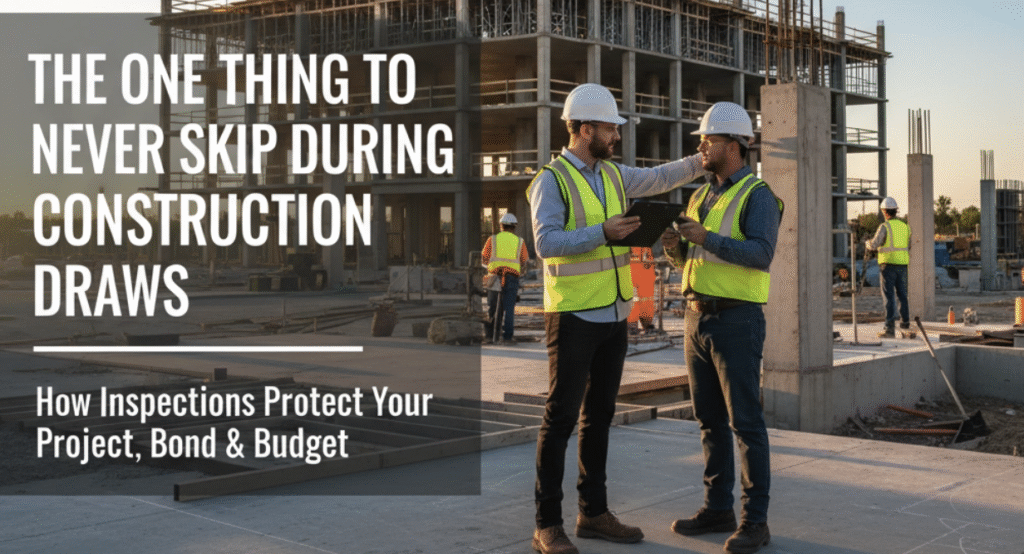
In the high-stakes world of surety bonding, where millions of dollars hang in the balance and project success can make or break careers, there’s one critical step that should never: under any circumstances: be skipped: construction draw inspections.
Every single disbursement. Every single time.
If you’re a surety professional, construction lender, or project owner working in the bonded construction space, this isn’t just a recommendation: it’s your lifeline against financial disaster, quality failures, and the kind of catastrophic project collapses that destroy reputations and drain accounts.
Why Draw Inspections Are Your First Line of Defense
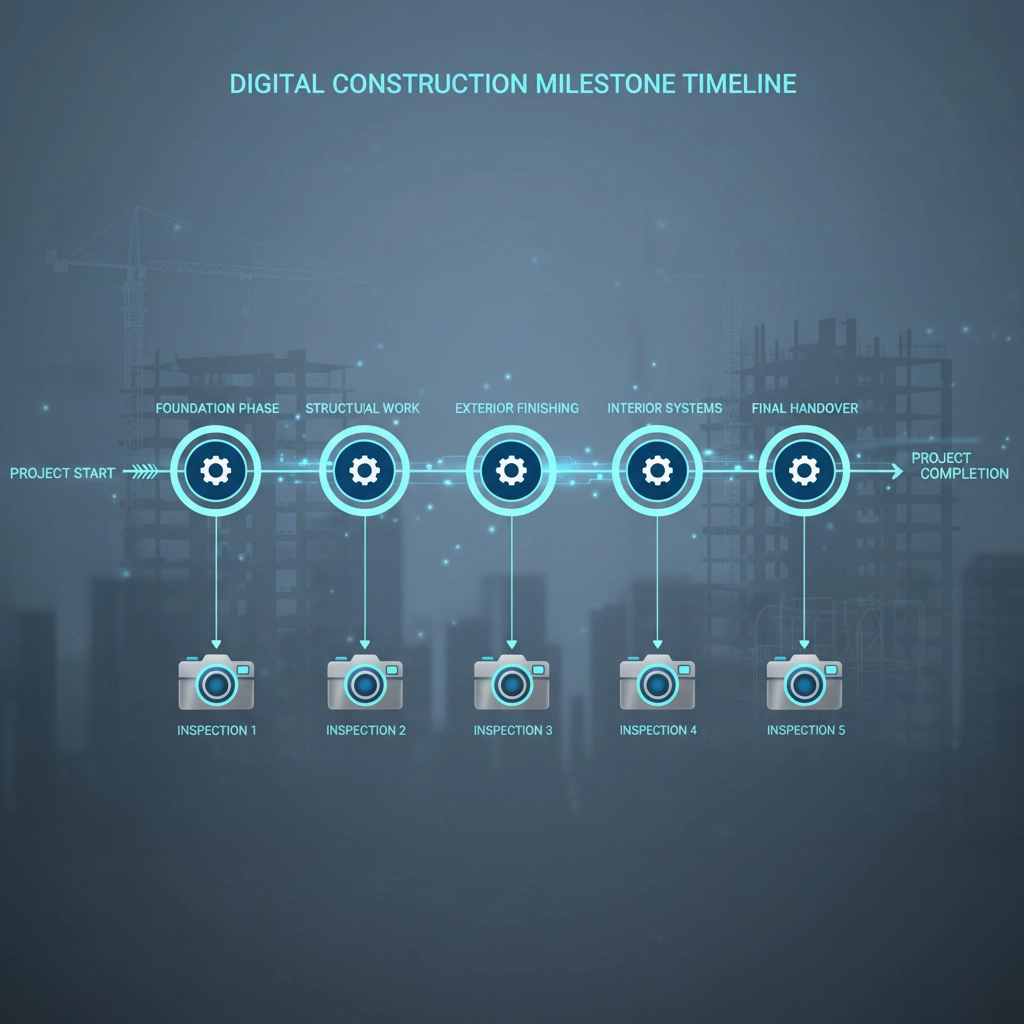
Construction draw inspections occur at the end of each construction phase, requiring a professional inspector to verify completed work before the next round of funding is released. This isn’t just paperwork: it’s a critical checkpoint that protects everyone involved in surety bonded projects from financial ruin.
The numbers tell a stark story. Construction lenders assume enormous risk when issuing money for bonded projects, and skipping regular inspections is like driving blindfolded on a mountain road. Without these verification points, you’re essentially trusting contractors’ word that work has been completed to specification: a gamble that has cost the surety industry millions in claims and failures.
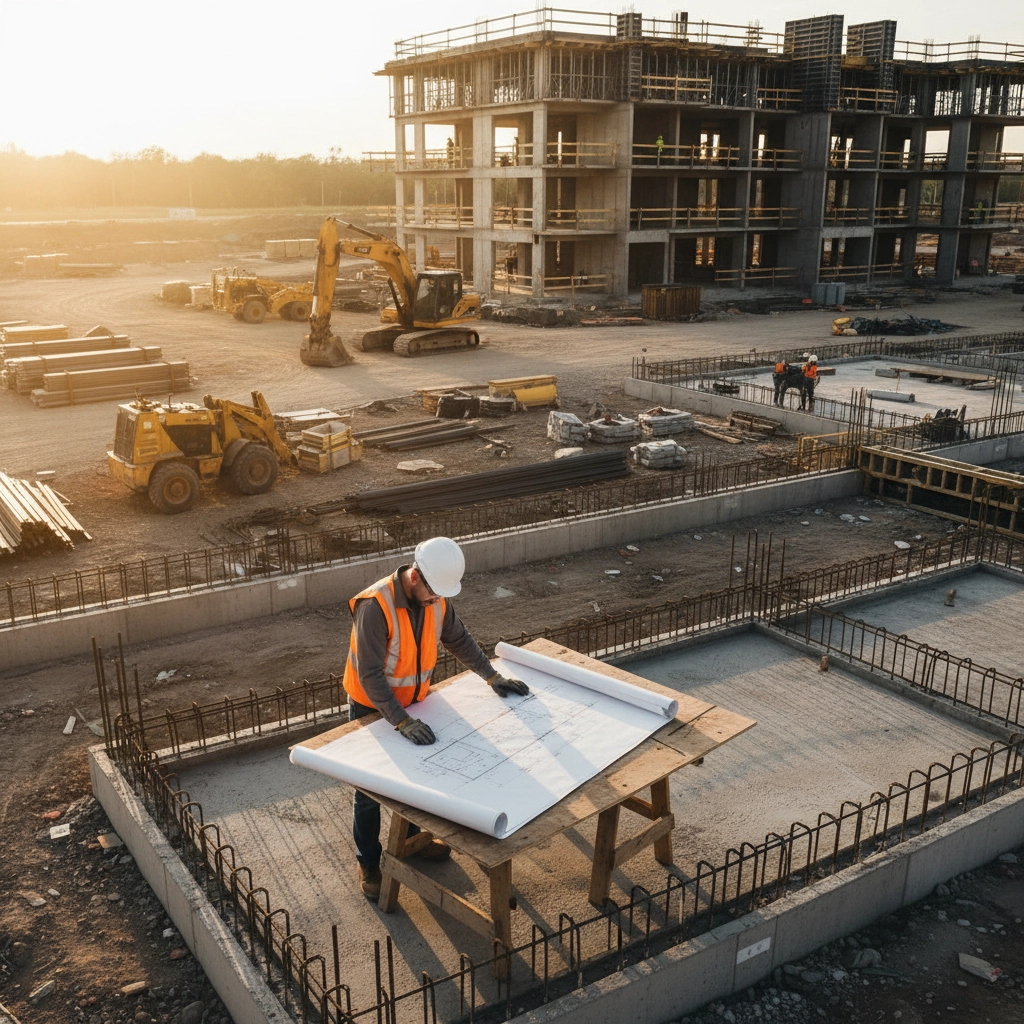
For sureties specifically, draw inspections serve as your eyes on the ground, providing the transparency and accountability that separate successful bonds from catastrophic claims. They create a paper trail of verified progress that can mean the difference between a smooth project completion and a nightmare scenario where you’re left holding the bag for incomplete or substandard work.
The Hidden Dangers of Skipping Draw Inspections
Fraud and Fund Misallocation
The construction industry sees billions in fraudulent activity annually, and bonded projects aren’t immune. Without regular draw inspections, contractors can easily submit requests for work that hasn’t been started, let alone completed. Professional inspectors verify that completed work matches specifications outlined in the bond and construction agreements, preventing the misallocation of funds that leaves projects half-finished and sureties exposed to massive claims.
Quality Control Breakdown
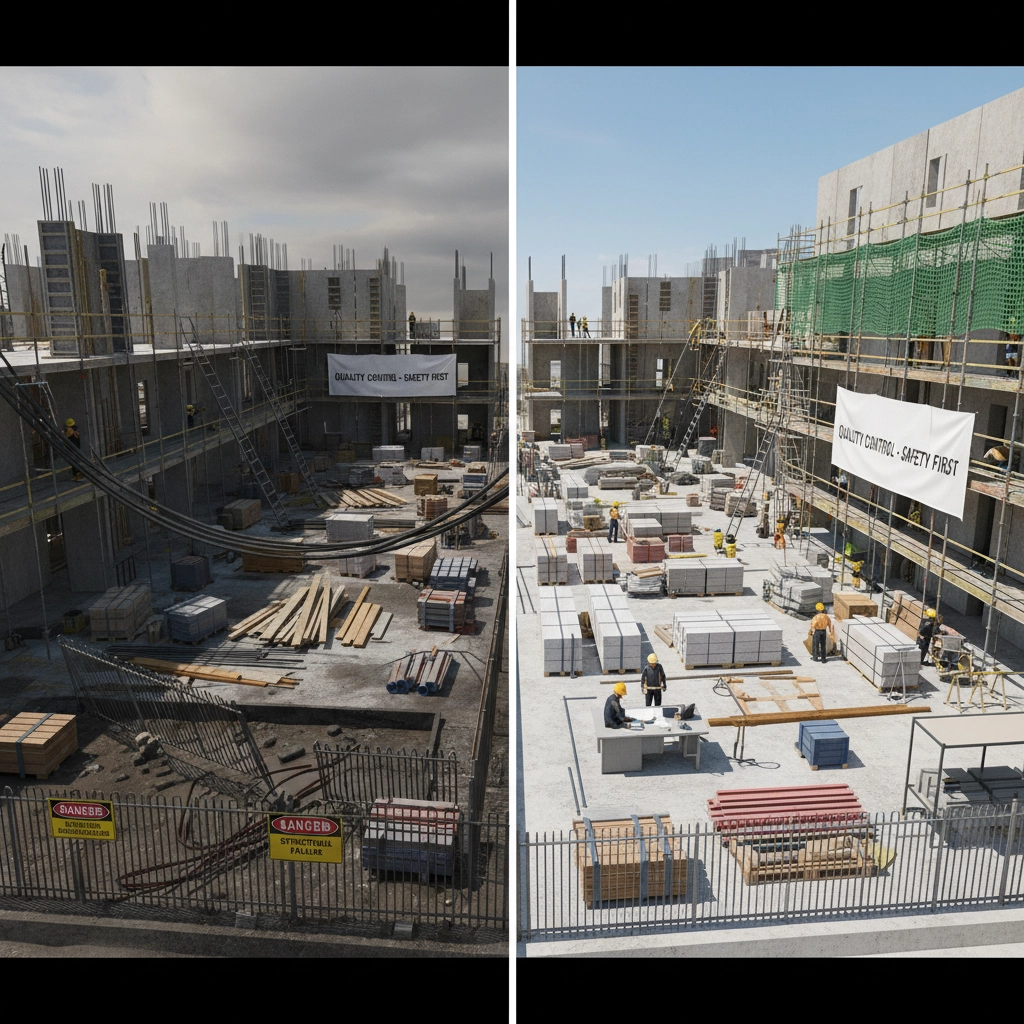
In surety bonding, you’re not just guaranteeing completion: you’re guaranteeing quality completion. Draw inspections catch substandard workmanship before it becomes embedded in the project structure, preventing costly remediation work that can quickly exceed bond limits. When quality issues are identified early, they can be corrected at a fraction of the cost of later discovery.
Cash Flow Manipulation
Some contractors use draw advances to fund other projects or cover operational shortfalls, leaving your bonded project underfunded and vulnerable. Draw inspections ensure that disbursed funds directly correlate to completed work on your specific project, maintaining the cash flow integrity that keeps bonded projects on track.
How Draw Inspections Protect Your Bond Investment
Verified Progress Documentation
Each draw inspection creates detailed documentation of project progress, complete with photographs and professional assessments. This documentation becomes crucial evidence if disputes arise or claims are filed. For sureties, this paper trail can be the difference between a defensible position and an indefensible payout.
Early Problem Detection
Construction problems compound exponentially over time. A foundation issue caught during a draw inspection might cost thousands to correct: but if it’s discovered months later, it could require demolishing and rebuilding entire sections of the project. Early detection through regular inspections prevents small problems from becoming bond-breaking disasters.
Contractor Accountability
Regular inspections create a system of accountability that keeps contractors honest and projects on schedule. When contractors know that every draw will be inspected, they’re incentivized to maintain quality standards and progress benchmarks throughout the project lifecycle.
The Financial Impact: Numbers That Matter
Professional construction inspectors review draw requests and compare them to actual on-site progress, often identifying discrepancies that save significant money. In bonded projects, these savings directly reduce surety exposure and risk.
The documentation generated through draw inspections also provides crucial momentum to keep construction moving forward smoothly. Each successful inspection triggers the release of the next funding portion, creating steady cash flow that prevents the work stoppages and contractor disputes that often lead to bond claims.
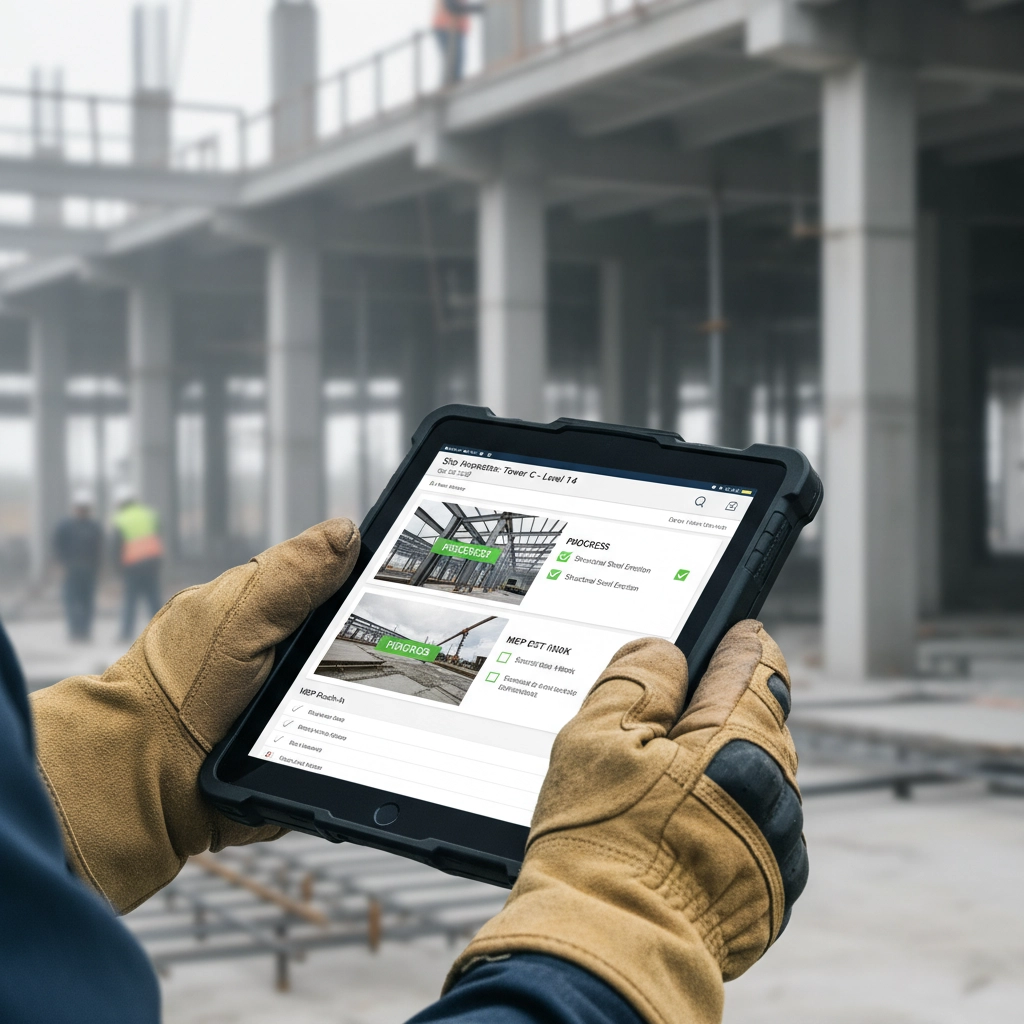
For project owners in the surety space, draw inspections ensure that every dollar invested produces tangible, verified results. This verification process prevents the common scenario where contractors draw on projects they haven’t even started working on: a situation that can quickly spiral into bond claims and project failures.
Best Practices for Effective Draw Inspections
Choose Qualified Inspectors
The inspector should be an experienced professional with extensive construction industry background and specific knowledge of surety bonding requirements. They should understand both the technical aspects of construction and the legal implications of their findings for bond performance.
Comprehensive Documentation Standards
Effective draw inspections go beyond simple progress verification. They should document work-site security, potential damage, safety compliance, progress against established timelines, and the percentage of completion compared to requested draw amounts. This comprehensive approach provides the detailed record-keeping that sureties need for effective risk management.
Consistent Timing and Standards
Establish clear inspection protocols and stick to them throughout the project lifecycle. Inconsistent inspection practices create gaps in documentation and oversight that can be exploited by problematic contractors or become liability issues if claims arise.
Technology Enhancement for Modern Draw Inspections
Today’s draw inspections can be enhanced with digital tools that improve accuracy and documentation quality. Photo-timestamped reports, GPS verification, and cloud-based documentation systems provide additional layers of verification and accessibility for all stakeholders in surety bonded projects.
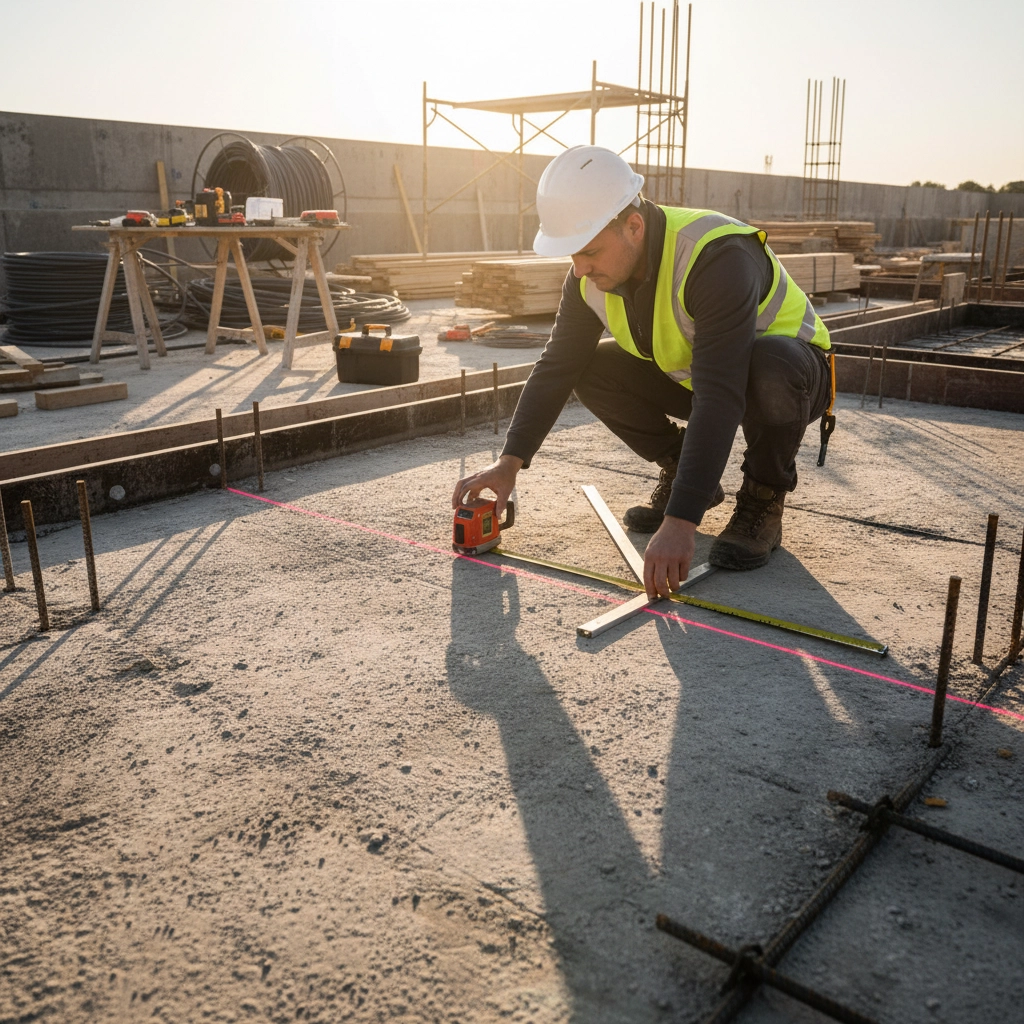
These technological enhancements create more robust documentation trails while streamlining the inspection process, making it easier for sureties to maintain comprehensive oversight across multiple bonded projects simultaneously.
The Cost of Cutting Corners
When sureties or project owners attempt to reduce costs by skipping or reducing draw inspections, they often face far greater expenses down the line. Bond claims resulting from inadequate oversight can reach hundreds of thousands or millions of dollars: costs that dwarf the expense of regular professional inspections.
The reputational damage from failed bonded projects also carries long-term financial implications, as it can impact a surety’s ability to write future bonds and maintain competitive rates in the market.
Implementing a Bulletproof Draw Inspection Strategy
Establish Non-Negotiable Policies
Make draw inspections mandatory for every disbursement on every surety bonded project. No exceptions, no shortcuts, no exceptions for “trusted” contractors. Consistency in this policy protects against both fraud and liability issues.
Create Detailed Inspection Checklists
Develop comprehensive checklists that cover all aspects of project progress, quality standards, safety compliance, and documentation requirements. These checklists ensure that inspections are thorough and consistent across all bonded projects.
Build Inspector Relationships
Develop relationships with qualified inspectors who understand surety bonding requirements and can provide the level of detail and accuracy your risk management demands. Having reliable inspection resources available can make the difference between smooth project oversight and scrambling to find qualified help when problems arise.
The La Mesa Advantage in Fund Control and Inspection
At La Mesa Fund Control & Escrow, we understand that draw inspections aren’t just routine paperwork: they’re the cornerstone of successful surety bonding risk management. Our comprehensive inspection services provide the transparency, accountability, and detailed documentation that sureties need to protect their investments and maintain their reputations.
We recommend an inspection for every single disbursement because we’ve seen what happens when corners are cut. Our experienced inspectors provide the eyes-on-the-ground oversight that serves as your first line of defense against project failures, contractor fraud, and the costly surprises that can turn profitable bonds into expensive claims.
Take Action: Protect Your Bonds Today
If you’re not already requiring inspections at each draw on your surety bonded projects, you’re operating with unnecessary risk. The cost of comprehensive draw inspections is minimal compared to the potential cost of bond claims, project failures, and reputational damage.
Don’t let your next bonded project become a cautionary tale. Contact La Mesa Fund Control & Escrow today to discuss how our inspection services can strengthen your bonds and implement a comprehensive inspection strategy that protects your investments from day one.
Your bonds are too valuable to leave to chance. Make draw inspections the non-negotiable standard that protects your projects, your reputation, and your bottom line.
