
The Hidden Dangers: Why Every Draw Needs an Inspection in Surety Bonded Construction Projects
The High Stakes of Surety Bonded Projects
In the high-risk world of surety bonded construction, one overlooked detail can trigger a catastrophic chain reaction. When millions of dollars and contractual obligations hang in the balance, the seemingly routine process of draw inspections becomes your critical defense line against disaster.
Surety bonds create a three-way relationship between the principal (contractor), the obligee (project owner), and the surety (bond provider). When contractors fail to perform, sureties face direct financial exposure—and proper draw inspections are often the only early warning system that can prevent a total project collapse.
The Dangerous Myth of "Routine" Draws
Many stakeholders in surety bonded projects make a potentially devastating mistake: treating draw inspections as mere formalities rather than critical risk checkpoints. This mindset creates a dangerous blind spot where problems can hide until they become too large to contain.
The statistics tell a sobering story. According to industry data, construction projects without rigorous draw inspection protocols are 71% more likely to experience significant cost overruns and 54% more likely to face completion delays exceeding 90 days. For surety providers, these numbers translate directly to claim risk.

Five Critical Vulnerabilities Lurking in Uninspected Draws
1. Material Substitution and Specification Deviation
One of the most insidious threats in surety bonded projects is the unauthorized substitution of materials. Without proper inspection, contractors may use lower-grade materials than specified while billing for premium materials. This creates a double threat: compromised structural integrity and misappropriated funds.
What makes this particularly dangerous is that these substitutions often remain invisible until a catastrophic failure occurs—long after the surety has released payment.
2. Ghost Billing and Phantom Progress
The practice of billing for work not yet completed—or “ghost billing”—represents an existential threat to surety providers. Without thorough on-site verification, contractors can create the illusion of progress through manipulated documentation while diverting funds to other projects or purposes.
By the time the discrepancy becomes apparent, the financial damage may already be irreversible, leaving the surety exposed to significant losses.
3. Hidden Liens and Undisclosed Claims
Perhaps the most frightening scenario for any surety is discovering undisclosed liens or claims against the project after funds have been disbursed. These hidden financial obligations can materialize suddenly, creating priority disputes that threaten the entire payment structure.
Each uninspected draw represents a missed opportunity to uncover these lurking threats before they undermine the project’s financial foundation.
4. Work Quality Deficiencies
Quality deficiencies in construction work often begin as minor issues that compound over time. Without expert inspection at each draw stage, substandard workmanship can be concealed beneath cosmetic finishes, creating latent defects that may not manifest until after project completion.
For sureties, these hidden quality issues represent ticking time bombs that can trigger performance bond claims long after the project appears to be successfully completed.
5. Schedule Manipulation and Critical Path Distortion
Contractors facing delays often manipulate progress reporting to maintain cash flow, obscuring the true status of the project’s critical path. Each uninspected draw allows this schedule fiction to continue unchallenged, creating a growing disconnect between reported progress and reality.
When the schedule fiction finally collapses, sureties often face completion bond claims with little warning or preparation time.
The Harsh Reality: When Inspections Fail
The consequences of inadequate draw inspections in surety bonded projects extend far beyond mere financial losses. They can include:
- Bond Claim Activations: When projects derail due to undiscovered issues, formal claims against performance and payment bonds become inevitable, forcing sureties into costly remediation processes.
- Litigation and Legal Exposure: Disputed draws frequently trigger multi-party litigation that can drag on for years, creating legal costs that often exceed the original project value.
- Contractor Default: Without proper oversight, contractor cash flow problems can remain hidden until they reach a critical point, resulting in sudden default and project abandonment.
- Completion Delays: Small issues discovered too late often cascade into major delays, activating penalty clauses and creating additional financial exposure.
- Reputation Damage: For all parties involved, failed surety bonded projects can inflict lasting reputation damage in an industry built on trust and reliability.
The Anatomy of a Proper Draw Inspection
A truly effective draw inspection in the surety bonding context must go far beyond a cursory site visit. It requires a comprehensive approach that addresses multiple risk dimensions:
Physical Verification
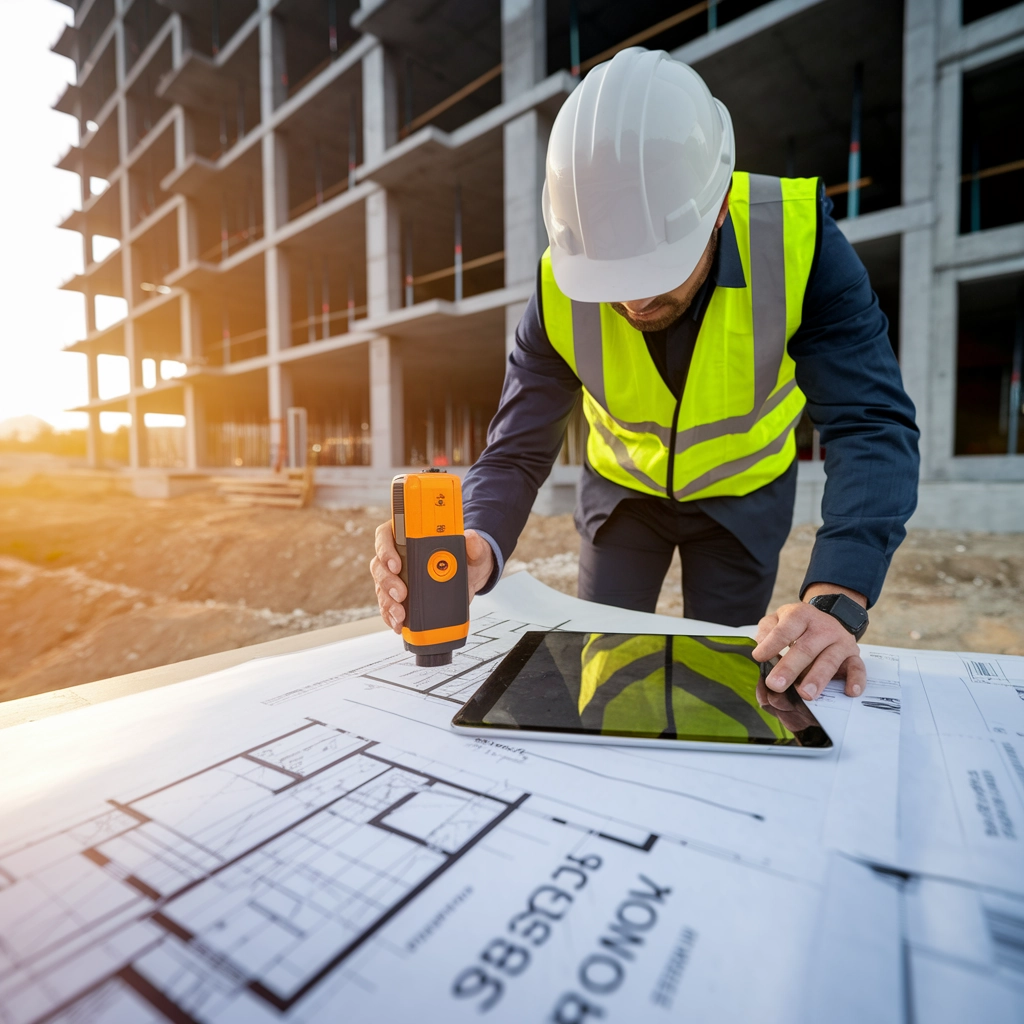
Every item claimed in the draw request must be physically verified on-site. This includes confirming that materials are present and installed, that work quality meets specifications, and that reported completion percentages accurately reflect reality.
Documentation Review
Proper inspection includes reviewing all relevant documentation, including lien waivers, material receipts, subcontractor invoices, and updated schedules. This paper trail should create a consistent narrative that matches physical observations.
Financial Reconciliation
Each draw must be reconciled against the overall project budget, with change orders properly documented and approved. Unusual financial patterns or unexpected budget shifts require immediate investigation.
Schedule Analysis
Inspectors must verify that the project remains on schedule and that any reported delays are properly documented with appropriate mitigation plans in place.
Compliance Verification
All regulatory requirements, permit conditions, and code compliance matters must be current and properly documented to prevent regulatory intervention that could halt progress.
How La Mesa Fund Control & Escrow Protects Surety Stakeholders
At La Mesa Fund Control & Escrow, we’ve developed specialized inspection protocols specifically designed for surety bonded projects. Our comprehensive approach includes:
- Independent Expert Verification: Our inspectors bring specialized knowledge of surety bonding requirements and common risk patterns, allowing them to spot red flags that generalists might miss.
- Documentation Triangulation: We cross-reference physical progress against documentation to identify discrepancies before they can escalate into material issues.
- Photographic Evidence: Every inspection includes comprehensive photographic documentation, creating an indisputable record of project status at each draw stage.
- Specialized Reporting: Our reports are specifically designed to address surety concerns, highlighting potential risk factors and providing actionable intelligence.
- Rapid Response Protocols: When issues are identified, our team implements immediate notification procedures to ensure stakeholders can address problems before they escalate.
The Critical Decision Point
In surety bonded construction, the decision to implement rigorous draw inspections isn’t merely operational—it’s existential. Each skipped or inadequate inspection represents an unquantified risk that could potentially trigger a cascade of failures.
The most sobering reality is that in surety bonding, you rarely get a second chance. Once funds are improperly disbursed or problems are allowed to fester, the damage control options become severely limited.
Conclusion: The Inspection Imperative
In the high-stakes world of surety bonded construction, proper draw inspections aren’t a luxury—they’re your essential defense against catastrophic loss. By implementing rigorous inspection protocols, stakeholders can identify issues while they’re still manageable, preserve remedy options, and maintain the integrity of the project’s financial structure.
At La Mesa Fund Control & Escrow, we’ve witnessed firsthand how proper inspections have saved surety bonded projects from disaster. More importantly, we’ve seen how our specialized approach has protected sureties from claims that would have otherwise been unavoidable.
Don’t wait until warning signs become emergencies. Contact La Mesa Fund Control & Escrow today to learn how our specialized inspection services can protect your surety bonded projects from the hidden dangers that threaten their success.
